A healthy gut is more than just a happy stomach—it’s the cornerstone of your overall health and wellness. Often called the “second brain,” your gut microbiome plays a critical role in many bodily functions, including your immune system, digestion, mental health, and inflammation levels. Understanding the importance of gut health and how to maintain it can be transformative, not just for your digestion but for your whole-body health.
The state of your gut doesn’t just determine how you digest food; it’s intricately connected to almost every system in your body. From regulating hormones to influencing your mood, the gut plays a central role in overall health. In this comprehensive guide, we’ll explore the critical connections between gut health, immune function, inflammation, and beyond.
What is the Gut Microbiome?
Your gut microbiome is a complex community of trillions of bacteria, fungi, viruses, and other microorganisms that reside in your digestive tract. These tiny organisms have a big job: they help break down food, absorb nutrients, protect against pathogens, and even produce essential vitamins. A balanced gut microbiome is vital for maintaining optimal health, while an imbalanced one—often due to poor diet, stress, antibiotic use, or environmental factors—can lead to a host of health issues.
The diversity of your gut microbiome is key. A rich variety of beneficial bacteria contributes to resilient health, whereas a lack of diversity is linked to conditions such as obesity, type 2 diabetes, and autoimmune diseases. Your gut acts almost like a rainforest, where a diverse ecosystem thrives and supports overall health. When this ecosystem becomes unbalanced, harmful bacteria can outnumber the good, leading to dysbiosis—a common root cause of many health issues.
The Gut-Immune System Connection
Approximately 70% of your immune system resides in your gut. This isn’t a coincidence; your gut acts as a first line of defense against harmful invaders. The beneficial bacteria in your gut help train your immune system to distinguish between harmful and harmless substances, reducing the likelihood of chronic inflammation and autoimmune responses. When the gut microbiome is balanced, it supports the immune system in fighting off infections, regulating inflammation, and maintaining overall health.
The gut also contains immune cells known as Peyer’s patches that play a crucial role in gut-associated lymphoid tissue (GALT), which helps regulate immune responses. This vast network of immune function within the gut keeps pathogens at bay while allowing your body to absorb essential nutrients. However, when the gut is out of balance—often referred to as dysbiosis—your immune system can become compromised, leading to increased inflammation, infections, allergies, and even chronic conditions like autoimmune diseases.
How Gut Health Impacts Inflammation
Inflammation is a natural response to injury or infection, but when it becomes chronic, it can lead to various health problems, including heart disease, diabetes, and even cancer. Your gut microbiome plays a crucial role in controlling inflammation. A balanced gut produces anti-inflammatory compounds that help regulate the body’s immune response, keeping inflammation in check.
Conversely, an imbalanced gut can produce pro-inflammatory compounds, which can exacerbate chronic inflammation throughout the body. This not only affects the digestive system but can also contribute to systemic inflammation, impacting organs and tissues far beyond the gut. Inflammatory Bowel Disease (IBD), for example, is an autoimmune disorder directly linked to inflammation in the gut, highlighting how local gut issues can manifest as more severe systemic conditions.
The Gut-Brain Axis: Mental Health and Your Microbiome
The connection between gut health and mental well-being is a rapidly growing area of research. The gut and brain communicate through a network known as the gut-brain axis, involving direct pathways like the vagus nerve and chemical signaling via neurotransmitters and hormones. This connection explains why issues like anxiety, depression, and mood swings can often be traced back to gut imbalances. The gut microbiome produces neurotransmitters like serotonin, dopamine, and gamma-aminobutyric acid (GABA), which play key roles in mood regulation.
Emerging studies suggest that up to 95% of serotonin, a neurotransmitter that helps regulate mood, is produced in the gut. An imbalanced gut can disrupt the production and release of these critical chemicals, leading to mood disorders, cognitive decline, and heightened stress responses. A healthy gut can help stabilize mood, reduce stress levels, and improve overall mental clarity, making gut health a key player in your mental well-being.
Gut Health and Chronic Conditions: Beyond Digestion
Your gut is involved in far more than digestion. Recent research has shown links between gut health and a wide range of chronic conditions, including:
Metabolic Syndrome and Obesity: An imbalanced gut can affect how your body processes fats and sugars, contributing to metabolic disorders and weight gain.
Autoimmune Disorders: Conditions like rheumatoid arthritis, lupus, and celiac disease are linked to gut dysbiosis and increased intestinal permeability (often referred to as “leaky gut”).
Skin Conditions: Eczema, psoriasis, and acne can all have connections to gut health, as inflammation and imbalances within the gut can manifest on the skin.
Addressing gut health can often lead to improvements in these and other chronic conditions, showcasing the far-reaching impact of a balanced gut microbiome.
Practical Steps to Improve Gut Health
Eat a Diverse Diet Rich in Fiber
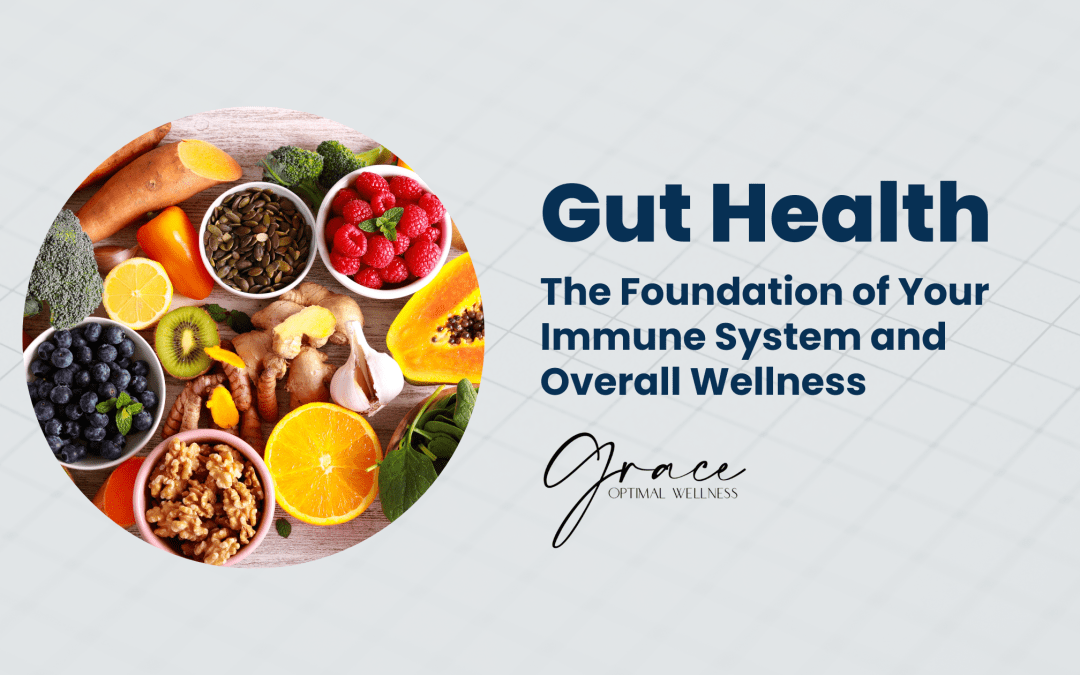
Foods high in fiber, such as vegetables, fruits, whole grains, and legumes, nourish the good bacteria in your gut, promoting a balanced microbiome. Fermented foods like yogurt, kefir, sauerkraut, and kimchi are also excellent for gut health because they contain probiotics, beneficial bacteria that support digestion and immune function. Fiber acts as a prebiotic, feeding the good bacteria and enhancing their function.
Avoid Processed Foods and Excessive Sugar
Processed foods and high sugar intake can harm your gut bacteria and promote inflammation. Focus on whole, unprocessed foods that support a healthy gut environment. Sugars can feed harmful bacteria and yeasts, leading to an imbalance that disrupts gut harmony.
Stay Hydrated
Water aids digestion and helps maintain the mucosal lining of the intestines, supporting the balance of good bacteria. Proper hydration also aids in the transportation of nutrients throughout your body and helps eliminate waste effectively.
Manage Stress
Chronic stress negatively impacts the gut microbiome. Incorporating stress-reducing practices like mindfulness, meditation, and regular exercise can improve gut health. High levels of stress can alter gut bacteria composition, making it harder for the good bacteria to thrive.
Consider Probiotics and Supplements
High-quality probiotics can help replenish the good bacteria in your gut, especially after antibiotic use. Personalized supplementation based on individual needs, including digestive enzymes, prebiotics, and gut-healing nutrients like L-glutamine, can play a crucial role in restoring balance and supporting gut health.
Prioritize Sleep
Poor sleep quality disrupts the gut microbiome, leading to increased inflammation and a weakened immune response. Prioritizing sleep hygiene can help reset and support a healthy gut environment.
Limit Antibiotic Use
While antibiotics are sometimes necessary, overuse can wipe out beneficial bacteria along with the harmful ones. Be mindful of antibiotic use and consider probiotics afterward to help restore balance.
Grace Optimal Wellness: Your Partner in Gut Health
At Grace Optimal Wellness, we understand that a healthy gut is foundational to overall health. Through comprehensive assessments, personalized nutrition plans, targeted supplementation, and a holistic approach, we help you restore and maintain gut balance. Our integrative methods include detailed gut microbiome testing, dietary guidance tailored to your needs, and individualized supplementation plans designed to address specific deficiencies and imbalances.
We offer programs that go beyond traditional care, focusing on restoring gut health as a pathway to improved energy, better immunity, and enhanced mental clarity. Our goal is to empower you to take control of your gut health, so you can feel your best every day.
If you’re ready to take control of your gut health, book a discovery call with us today to start your journey toward a healthier you.