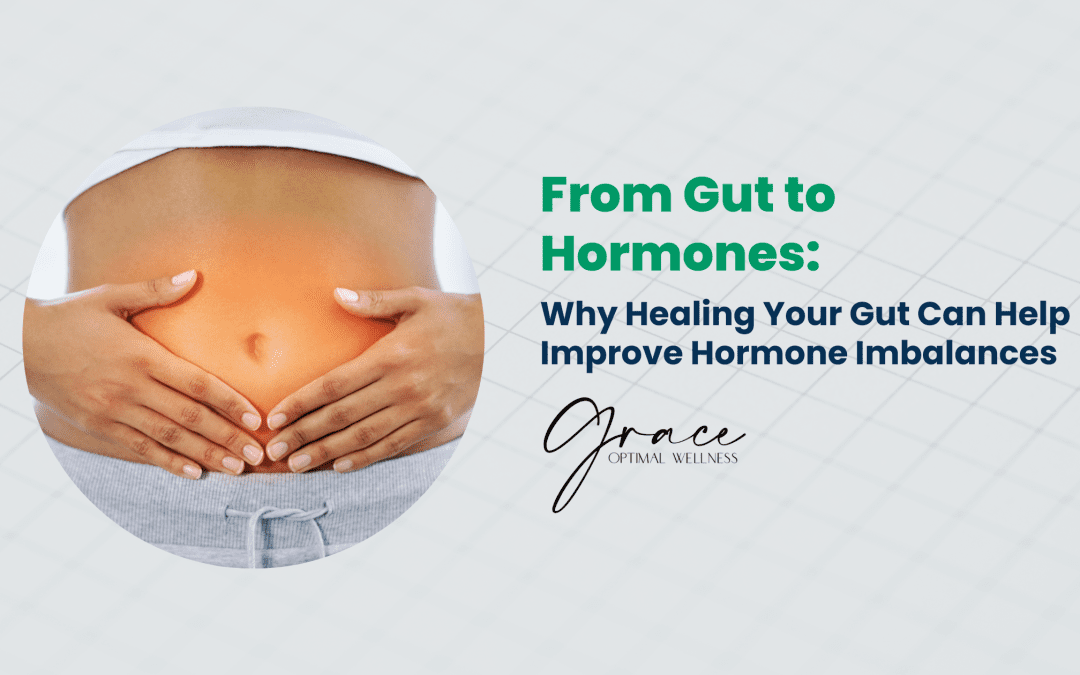
When people think about hormonal imbalances, they often associate them with common symptoms like fatigue, mood swings, irregular periods, or low libido. But what many don’t realize is that the key to fixing hormonal issues may not lie solely in the hormones themselves but in an entirely different system—the gut.
Yes, the health of your gut directly impacts your hormonal balance, and healing your gut could be the missing piece in restoring optimal hormonal health for both men and women.
Let’s dive deeper into the connection between your gut and hormones and explore why addressing gut health is crucial for balancing hormones and improving your overall well-being.
The Gut-Hormone Connection: How Are They Linked?
The gut and hormones are more interconnected than most people realize. The gut is often referred to as the “second brain” because of the way it communicates with the brain and influences various bodily systems, including hormone regulation. The gut-brain axis is a complex communication network that links the central nervous system (your brain) with the enteric nervous system (your gut). This system allows your gut to send signals that directly affect hormone production and balance.
An unhealthy gut, caused by poor diet, chronic stress, or exposure to toxins, can throw off this communication, leading to hormonal imbalances. Hormones like estrogen, testosterone, cortisol, and thyroid hormones are all impacted by the health of your gut. If your gut is inflamed or out of balance, your hormones can follow suit.
The Role of the Gut Microbiome in Hormonal Health
The gut microbiome—made up of trillions of bacteria and other microorganisms—plays a vital role in your overall health, particularly hormone metabolism. These bacteria aren’t just passive passengers in your digestive system; they actively help to regulate hormone production and processing.
For example, certain bacteria in your gut help metabolize estrogen, a key hormone in both men and women. An imbalanced gut microbiome, known as dysbiosis, can lead to improper estrogen metabolism, resulting in estrogen dominance, which may cause symptoms like weight gain, mood swings, and fatigue in women and can even lead to prostate issues in men.
Additionally, gut bacteria play a role in regulating stress hormones, particularly cortisol. High cortisol levels, often triggered by gut issues like inflammation or dysbiosis, can lead to adrenal fatigue, anxiety, and poor sleep, all of which impact hormonal health.
Common Gut Issues That Lead to Hormonal Imbalances
Several common gut problems can directly contribute to hormonal imbalances. Let’s explore some of these issues and how they can affect hormone production and regulation:
- Leaky Gut Syndrome: When the lining of the gut becomes overly permeable, undigested food particles and toxins can escape into the bloodstream, triggering inflammation. This inflammation disrupts hormonal communication, particularly affecting thyroid and cortisol levels.
- Dysbiosis: An imbalance of gut bacteria can cause estrogen dominance, low testosterone, or even thyroid dysfunction. When the beneficial bacteria in the gut are overpowered by harmful ones, the body’s ability to regulate hormones is compromised.
- Chronic Inflammation: Inflammation in the gut can lead to systemic inflammation, affecting insulin sensitivity, thyroid function, and adrenal health. Over time, this can cause symptoms like stubborn weight gain, fatigue, and mood swings.
Both men and women can suffer from these gut issues, and when they do, it can manifest as hormonal imbalances with varying symptoms depending on the individual.
Symptoms of Hormonal Imbalances Related to Poor Gut Health
When your gut isn’t functioning properly, it can lead to a variety of hormonal symptoms in both men and women. Here are some of the most common signs that gut health may be contributing to your hormonal imbalance:
- Mood Swings, Anxiety, and Depression: Hormones like serotonin (the “feel-good” hormone) are produced in the gut. When gut health is compromised, it can lead to feelings of anxiety, depression, or mood swings.
- Irregular Periods and PMS: Women may experience heavier, more painful periods or worsening PMS symptoms due to estrogen dominance caused by poor gut health.
- Weight Gain or Difficulty Losing Weight: Gut bacteria influence how well we process nutrients and regulate insulin. An imbalance in the gut can make it harder to maintain a healthy weight.
- Fatigue and Low Energy: When the gut isn’t absorbing nutrients properly, it can lead to nutrient deficiencies, which sap energy levels and cause fatigue.
- Low Libido and Sexual Health Issues: Hormones like testosterone and estrogen play a big role in sexual health. An unhealthy gut can disrupt these hormones, leading to low libido and other sexual health concerns in both men and women.
- Brain Fog and Cognitive Issues: Poor gut health can cause an increase in cortisol levels, which can lead to brain fog and difficulties concentrating.
How Healing Your Gut Can Improve Hormonal Health
Restoring gut health is one of the most effective ways to improve hormonal imbalances. When the gut is healthy, it supports optimal hormone function in a number of ways:
- Improved Estrogen Metabolism: A healthy gut can help metabolize and regulate estrogen, reducing the risk of estrogen dominance in women and supporting prostate health in men.
- Balanced Cortisol Levels: Healing the gut can reduce inflammation and lower cortisol levels, leading to better stress management and improved adrenal function.
- Better Thyroid Function: A healthy gut improves nutrient absorption, which is vital for proper thyroid hormone production. This leads to better metabolism and energy levels.
- Enhanced Insulin Sensitivity: When gut bacteria are balanced, insulin regulation improves, which helps with weight management and blood sugar stability.
Practical Steps to Heal Your Gut and Balance Hormones
To improve both gut and hormone health, it’s essential to take a holistic approach. Here are some practical steps:
- Dietary Changes: Incorporate gut-healing foods such as bone broth, fermented foods (kimchi, sauerkraut), and fiber-rich vegetables. Avoid processed foods, sugar, alcohol, and artificial sweeteners.
- Probiotics and Supplements: Taking high-quality probiotics can help restore balance to the gut microbiome. Supplements such as digestive enzymes, omega-3s, and anti-inflammatory herbs like turmeric can also help reduce gut inflammation. It’s important to use supplements under the guidance of a healthcare professional, like those at Grace Optimal Wellness, to ensure the right solutions for your specific needs based on comprehensive lab results.
- Stress Management: Chronic stress disrupts gut health and hormone levels. Practices like yoga, meditation, and regular exercise can help reduce cortisol levels and improve gut function.
- Sleep: Ensure you’re getting adequate, restful sleep. The gut and hormones rely on proper sleep cycles to function at their best.
Grace Optimal Wellness Approach to Gut and Hormone Health
At Grace Optimal Wellness, we take a comprehensive and personalized approach to healing the gut and balancing hormones. We offer advanced lab testing to assess both gut and hormonal health, ensuring that we get to the root cause of your symptoms. Based on your individual test results, we create customized plans that may include dietary changes, targeted supplementation, and bioidentical hormone replacement therapy (BHRT) to help you achieve optimal health.
We understand that everyone’s gut and hormones are unique, which is why our personalized programs are tailored specifically to your body’s needs, helping both men and women regain control of their health.
Conclusion
If you’re struggling with fatigue, mood swings, weight gain, or other symptoms of hormonal imbalance, it may be time to take a closer look at your gut health. Healing your gut is the first step toward rebalancing your hormones and restoring your overall well-being. At Grace Optimal Wellness, we’re here to help guide you on your journey to optimal health.
Take the next step—book a consultation today and start healing from the inside out!