When it comes to hormonal health, most people focus on diet, exercise, and stress management. While these factors are undeniably important, a hidden but significant disruptor often goes unnoticed: environmental toxins. Everyday chemicals like BPA, phthalates, and pesticides can wreak havoc on your hormonal system, leading to imbalances that affect everything from your mood and energy levels to your reproductive health.
In this comprehensive guide, we will delve into how common environmental toxins impact hormonal health, the specific chemicals to watch out for, and actionable steps you can take to reduce your exposure and protect your well-being.
Understanding Hormone Disruptors
Hormone disruptors, also known as endocrine disruptors, are chemicals that can interfere with your body’s endocrine system—the network of glands that produce hormones. These chemicals can mimic, block, or alter the normal functioning of hormones, leading to imbalances that can trigger a variety of health issues.
Hormones are crucial chemical messengers that regulate numerous bodily functions, including metabolism, growth, reproduction, and mood. Disruption in hormonal balance can lead to problems such as weight gain, infertility, thyroid disorders, and even an increased risk of certain cancers.
The primary way endocrine disruptors affect hormonal health is by either mimicking natural hormones in the body or blocking hormone receptors, preventing your body from producing or responding to hormones correctly.
Common Environmental Toxins and Their Impact on Hormones
Environmental toxins are pervasive in our daily lives, often found in everyday items that we wouldn’t typically consider harmful. These chemicals disrupt hormonal balance, leading to a range of health issues. Below, we explore ten common environmental toxins, their impact on hormones, and where they are commonly found.
- Bisphenol A (BPA)
Found In: Plastics, water bottles, food containers, and the lining of canned foods.
Impact on Hormones: BPA mimics estrogen, disrupting natural hormone balance. Studies have linked BPA exposure to reproductive issues, obesity, and increased risk of breast and prostate cancers. Avoiding plastics marked with “PC” or recycling code #7 can help reduce BPA exposure .
- Phthalates
Found In: Personal care products (like shampoos, lotions, perfumes), vinyl flooring, and plastic packaging.
Impact on Hormones: Phthalates interfere with testosterone production and are linked to reduced sperm count, developmental disorders, and hormonal imbalances in women. Opt for fragrance-free personal care items and avoid plastic food wraps to limit exposure .
- Pesticides
Found In: Non-organic fruits and vegetables, lawn care products, and treated wood.
Impact on Hormones: Pesticides such as atrazine and glyphosate can mimic estrogen and disrupt thyroid function. These chemicals are associated with reproductive health issues, neurodevelopmental disorders, and increased cancer risk. Choosing organic produce and using natural pest control can reduce exposure .
- Parabens
Found In: Cosmetics, lotions, shampoos, and some processed foods.
Impact on Hormones: Parabens act as xenoestrogens, chemicals that mimic estrogen in the body. They have been detected in breast cancer tissue, raising concerns about their role in hormonal cancers. Avoid products with ingredients ending in “-paraben” to minimize risk .
- Heavy Metals (Lead, Mercury, Cadmium)
Found In: Contaminated water, seafood, dental fillings, and some cosmetics.
Impact on Hormones: Heavy metals can disrupt thyroid function, damage reproductive organs, and alter insulin regulation. High mercury levels are particularly harmful during pregnancy, impacting fetal development. Use water filters and choose low-mercury seafood to protect your health .
- Dioxins
Found In: Industrial emissions, meat, dairy products, and fish.
Impact on Hormones: Dioxins interfere with reproductive hormones and have been linked to lower sperm quality, endometriosis, and immune system impairment. Reducing consumption of high-fat animal products can help minimize exposure .
- Flame Retardants (PBDEs)
Found In: Furniture, electronics, textiles, and car seats.
Impact on Hormones: PBDEs can disrupt thyroid hormone regulation, which is critical for metabolism, growth, and brain development. They are also associated with fertility issues and developmental delays in children. Choosing flame-retardant-free furniture and electronics helps reduce PBDE exposure .
- Perfluorinated Chemicals (PFCs)
Found In: Non-stick cookware, stain-resistant fabrics, and fast-food packaging.
Impact on Hormones: PFCs are linked to thyroid dysfunction, immune suppression, and decreased fertility. These chemicals persist in the environment and accumulate in the body over time. Switching to stainless steel or cast iron cookware and avoiding non-stick products can help reduce exposure .
- Triclosan
Found In: Antibacterial soaps, toothpaste, and some cosmetics.
Impact on Hormones: Triclosan disrupts thyroid hormone metabolism and has been linked to antibiotic resistance and endocrine disruption. Opt for triclosan-free products and use regular soap and water instead of antibacterial soaps .
- Artificial Fragrances
Found In: Perfumes, air fresheners, cleaning products, and scented candles.
Impact on Hormones: Artificial fragrances often contain phthalates and other chemicals that can interfere with hormone function, particularly estrogen and testosterone. They are also associated with allergic reactions and asthma. Choosing fragrance-free or naturally scented products can help minimize exposure .
These ten toxins are just a glimpse into the many environmental hazards that can interfere with your hormonal health. Being aware of their presence in everyday products and taking steps to minimize exposure can significantly impact your overall well-being.
Health Impacts of Hormone Disruption
The long-term effects of exposure to endocrine disruptors can be severe, contributing to a host of chronic health conditions:
- Reproductive Issues: Hormone disruptors can affect fertility in both men and women, leading to reduced sperm count, irregular menstrual cycles, and increased risk of miscarriage.
- Weight Gain and Obesity: Many hormone disruptors, such as BPA and phthalates, can alter how your body stores fat, leading to weight gain and obesity.
- Thyroid Disorders: Chemicals like pesticides and heavy metals can interfere with thyroid hormone production, leading to hypothyroidism or hyperthyroidism, which impact metabolism, mood, and energy levels.
- Increased Cancer Risk: Endocrine disruptors, particularly those that mimic estrogen, have been linked to an increased risk of hormone-related cancers, such as breast, ovarian, and prostate cancers.
How to Minimize Exposure to Environmental Toxins
Reducing your exposure to hormone-disrupting chemicals requires conscious effort and lifestyle adjustments. Here are actionable steps to help you minimize your exposure and protect your hormonal health:
- Choose BPA-Free Products
Opt for BPA-free water bottles, food containers, and canned goods. Glass, stainless steel, and BPA-free plastics are safer alternatives. Avoid microwaving food in plastic containers, as heat can cause BPA to leach into food. - Go Organic
Whenever possible, choose organic produce to reduce your exposure to pesticides. The Environmental Working Group (EWG) releases an annual “Dirty Dozen” list of the most pesticide-laden fruits and vegetables, which can help guide your purchasing decisions . - Read Labels on Personal Care Products
Avoid personal care products that contain phthalates, parabens, and other synthetic chemicals. Look for products labeled as “paraben-free” or “phthalate-free” and opt for natural and organic brands. - Filter Your Water
Consider using a high-quality water filter to remove heavy metals, chlorine, and other contaminants from your drinking water. Reverse osmosis and carbon filters are effective at reducing harmful chemicals. - Reduce Plastic Use
Minimize the use of plastic wrap, plastic storage bags, and plastic utensils. Store food in glass containers and use beeswax wraps as an eco-friendly alternative. - Opt for Natural Cleaning Products
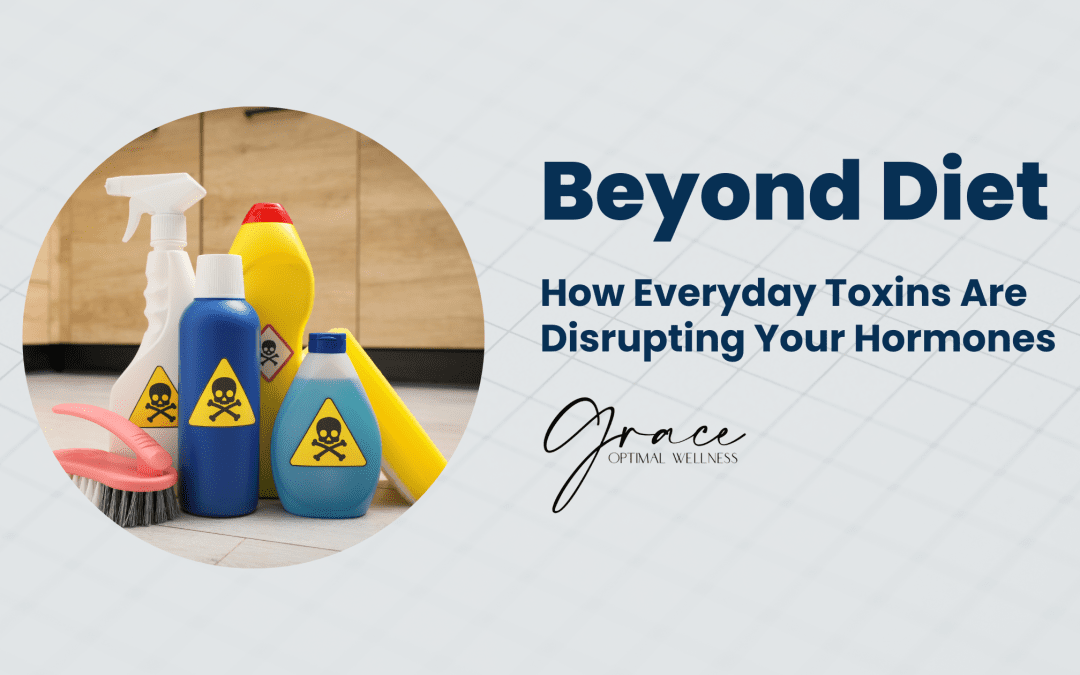
Many household cleaning products contain chemicals that can disrupt hormones. Choose natural, non-toxic cleaning products or make your own using ingredients like vinegar, baking soda, and essential oils. - Eat Cruciferous Vegetables
Cruciferous vegetables like broccoli, Brussels sprouts, and cauliflower contain compounds that support detoxification pathways in the liver, helping your body eliminate toxins more effectively. - Detox Safely
Regular detoxification practices, such as sweating through exercise or sauna sessions, can help your body expel toxins. At Grace Optimal Wellness, we offer personalized detox programs that include targeted supplements to support liver function and hormone balance.
How Grace Optimal Wellness Can Help
At Grace Optimal Wellness, we understand the profound impact that environmental toxins can have on your health. Our integrative approach involves comprehensive testing to identify hormone disruptors in your environment and their effects on your body. We offer personalized detoxification programs, dietary guidance, and targeted supplementation to help you reduce your exposure and support hormonal balance.
Our team of experts works closely with you to create a customized plan that addresses your specific needs, empowering you to take control of your health. Whether you’re struggling with weight gain, fatigue, or hormonal imbalances, we’re here to provide the support and solutions you need to feel your best.
Ready to detoxify your body and restore hormonal balance? Schedule a consultation with Grace Optimal Wellness today and take the first step toward a healthier, toxin-free life.